
Introduction
Understanding food sensitivities, causes, symptoms, and management is essential because today’s world is growing rapidly, where machines do most of the work, and people have no time to cook food at home. Therefore, processed foods are widely used in the diet. Such food items have been eaten for a long time, constantly creating experiencing discomfort. People are suffering from allergies or intolerances. Food sensitivities can subtly impact our health without dramatic reactions. Understanding food sensitivities is the first step toward feeling better, improving digestion, and enhancing your overall quality of life.
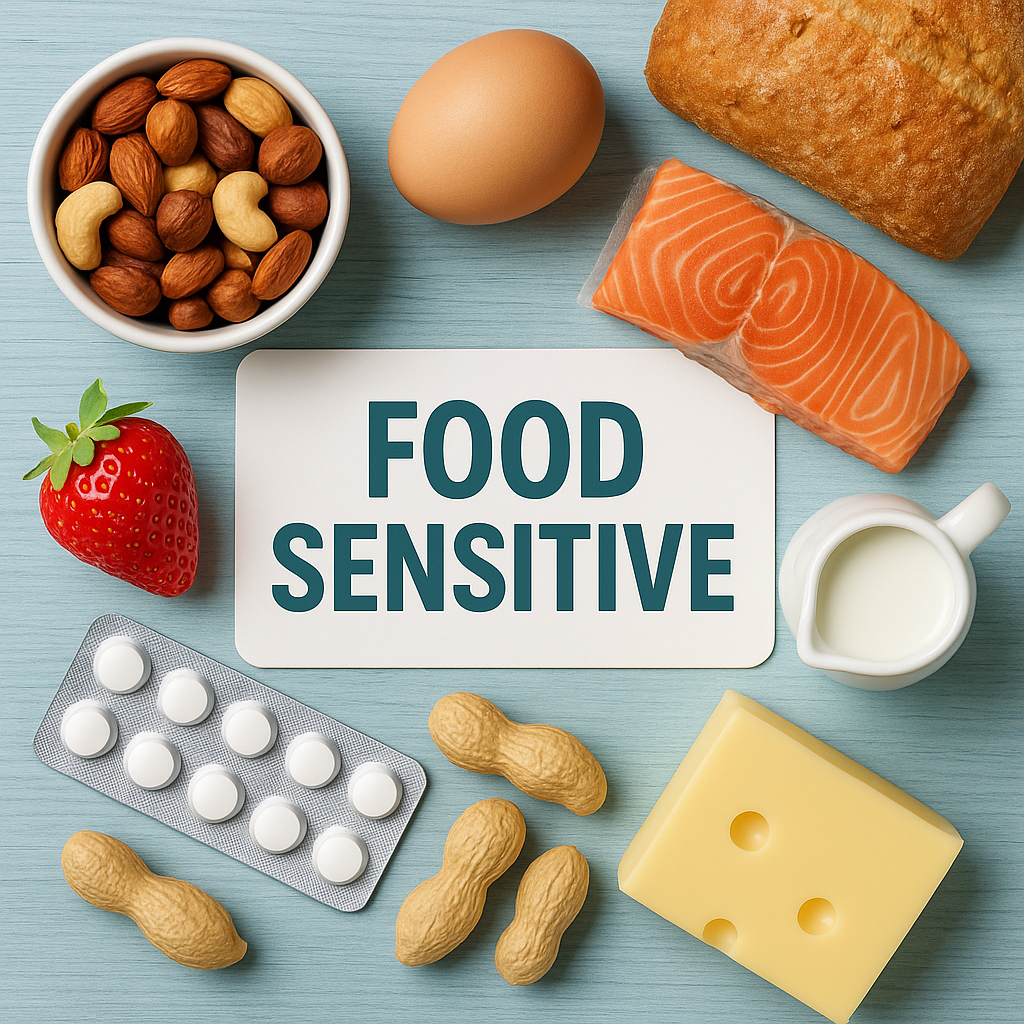
• What food sensitivities are
• How they differ from allergies and intolerances
• The most common food sensitivities
• Symptoms to look out for
• How to manage and test for food sensitivities
• Diet and lifestyle tips
Table of Contents
-
- Introduction
1.1 The Rise of Food Sensitivities in Modern Life
1.2 Why Processed Foods Contribute to Health Issues
- Introduction
-
- What are Food Sensitivities?
2.1 Definition and Overview 2.2Gluten
2.3 Histamine
2.4 Fructose
2.5 Caffeine
2.6 Salicylate
2.7 FODMAPs
2.8 Sulfites
- What are Food Sensitivities?
-
- Most Common Food Sensitivity Triggers
3.1 Gluten
3.2 Dairy (Lactose & Casein)
3.3 Soy
3.4 Eggs
3.5 Corn
3.6 Nuts and Peanuts
3.7 Nightshades
3.8 Artificial Additives & Preservatives
- Most Common Food Sensitivity Triggers
-
- Symptoms of Food Sensitivities
4.1 Digestive Symptoms
4.2 Neurological and Skin Symptoms
4.3 Delayed Reaction Challenges
- Symptoms of Food Sensitivities
-
- How to Diagnose Food Sensitivities
5.1 Elimination Diet
5.2 Sensitivity Testing (IgG, MRT, ALCAT)
5.3 Symptom Tracking & Food Journals
- How to Diagnose Food Sensitivities
-
- Managing Food Sensitivities Naturally
6.1 Reading Food Labels
6.2 Cooking at Home
6.3 Rotating Foods to Prevent New Sensitivities
6.4 Supporting Gut Health
6.5 When to Seek Professional Help
- Managing Food Sensitivities Naturally
What are Common Food Sensitivities?
Common Food sensitivities are adverse reactions to certain foods or ingredients that occur hours or even days after eating them. Unlike allergies, which involve the immune system and can cause immediate, sometimes life-threatening responses, sensitivities typically involve a non-IgE immune response or digestive system reaction. They are often chronic and more difficult to pinpoint.
Types of Food Sensitivity
Understanding the types of food sensitivity is crucial for recognizing and managing discomfort associated with dietary intake. Some of the most common sensitivities, highlighting their symptoms and dietary implications:
1. Lactose Lactose intolerance is a widespread type of food https://en.wikipedia.org/wiki/Food-intolerancesensitivity where the body lacks sufficient lactase enzymes to break down lactose, the sugar found in milk and other dairy products. Symptoms typically include bloating, diarrhoea, and abdominal cramps, which occur shortly after consuming dairy products.
2. Gluten sensitivity causes adverse reactions to gluten, wheat, barley, and rye protein. It is distinct from celiac disease, which is an autoimmune condition. Those affected may experience symptoms like bloating, abdominal pain, and changes in bowel habits, which can significantly impact daily life.
3. Histamine. This sensitivity arises from an inability to adequately break down histamine, a compound in aged cheeses, smoked meats, and certain alcoholic beverages.
Common reactions include headaches, skin irritation, and digestive issues, highlighting the need for dietary adjustments.
4. Fructose
Individuals with fructose intolerance have difficulty absorbing fructose, which is abundant in fruits, some vegetables, and sweeteners. The symptoms of food sensitivity in these cases include bloating, diarrhoea, and gas, which can be distressing and disruptive.
5. Caffeine
Those with caffeine sensitivity experience effects such as jitteriness, palpitations, and insomnia, even from small amounts of caffeine. This sensitivity can affect one’s ability to consume popular beverages like coffee and tea without adverse effects.
6. Salicylate
Salicylates, naturally found in many fruits, vegetables, and seasonings, can induce symptoms like headaches, skin rashes, and gastrointestinal issues in sensitive individuals, necessitating careful dietary choices to avoid such compounds.
7. FODMAP diet is a group of carbohydrates that can cause severe digestive distress in individuals who are sensitive to them. Symptoms of common food sensitivity due to FODMAPs include severe bloating, gas, alternating diarrhoea, and constipation, which are often managed by following a low-FODMAP diet
8. Sulphite Sulfites, commonly used as preservatives in various foods and drinks like dried fruits and wines, can trigger asthma attacks, allergic reactions, and gastrointestinal distress in those with this sensitivity. Each type of food sensitivity involves unique challenges and symptoms, emphasizing the importance of identifying and understanding one’s dietary triggers.
Common Food Sensitivities
Below are the most frequent culprits causing food sensitivity reactions:
1. Gluten
Gluten sensitivity is a protein found in wheat, barley, and rye. People with Celiac Disease have an autoimmune response to gluten, but many others without celiac disease experience non-celiac gluten sensitivity.https://vibesfitus.com/simple-ayurvedic-tips-for-healthy/
Symptoms include:
• Bloating
• Brain fog
• Fatigue
• Joint pain
• Headaches
Found in: Bread, pasta, baked goods, beer, soy sauce.
2. Dairy (Lactose and Casein)
Dairy sensitivity can be due to lactose (the sugar in milk) or casein (a milk protein). Lactose intolerance is common and results from the body’s inability to digest lactose. Casein sensitivity triggers immune-related symptoms.
Symptoms include:
• Gas
• Diarrhea
• Skin rashes
• Sinus issues
• Ear infections (in children)
Found in: Milk, cheese, butter, yogurt, cream, ice cream.
3. Soy
Soy sensitivity can affect hormone balance and digestion. Some people may be reactive to soy proteins or compounds like phytoestrogens.
Symptoms include:
• Acne
• Mood swings
• Bloating
• Thyroid dysfunction (in sensitive individuals)
Found in: Tofu, tempeh, soy sauce, edamame, protein bars, infant formula.
4. Eggs
Egg sensitivities often cause digestive or skin-related symptoms, especially in children. Some react to the egg white (albumin), others to the yolk.
Symptoms include:
• Eczema
• Bloating
• Fatigue
• Respiratory issues
Found in: Baked goods, mayonnaise, pasta, and sauces.
5. Corn
Corn is a hidden ingredient in many processed foods, and sensitivity to corn is often overlooked. Reactions may be caused by proteins in corn or additives like corn syrup.
Symptoms include:
• Skin irritation
• Joint pain
• Digestive issues
• Brain fog
Found in: Corn chips, cereals, corn oil, sweeteners, and even toothpaste.
6. Nuts and Peanuts
While true nut allergies are dangerous, sensitivities can also cause mild-to-moderate issues, such as inflammation or GI symptoms.
Symptoms include:
• Rashes
• Itching
• Stomach upset
• Fatigue
Found in: Peanut butter, almond milk, trail mix, energy bars.
7. Nightshades (Tomatoes, Peppers, Eggplants, Potatoes)
Nightshades contain solanine, which can cause inflammation in sensitive individuals, particularly those with autoimmune conditions.
Symptoms include:
• Joint pain
• Muscle ache
• Fatigue
• Headaches
Found in: Ketchup, pizza, salsa, spicy foods, fries.
8. Artificial Additives and Preservatives
Some people are sensitive to chemicals used in processed foods, such as MSG, food dyes, and sulfites.
i) Salicylates Salicylates, naturally found in many fruits, vegetables, and seasonings,
can cause symptoms like headaches, skin rashes, and gastrointestinal issues in sensitive individuals, necessitating careful dietary choices to avoid such compounds.
(ii) FODMAP
FODMAPs are a group of carbohydrates that can cause severe digestive distress in individuals who are sensitive to them.
Symptoms of food sensitivity due to FODMAPs include severe bloating, gas, alternating diarrhoea, and constipation, which are often managed by following a low-FODMAP diet.
(ii) Sulphite Sulfites, commonly used as preservatives in various foods and drinks like dried fruits and wines,
Symptoms trigger asthma attacks, allergic reactions, and gastrointestinal distress in those with this sensitivity.
Each type of food sensitivity involves unique challenges and symptoms, emphasizing the importance of identifying and understanding one’s dietary triggers.
Symptoms include:
• Migraines
• Hyperactivity (in children)
• Hives
• Asthma-like symptoms
Found in: Packaged snacks, sodas, candies, canned soups.

Symptoms of Food Sensitivities
Because symptoms may not appear immediately, food sensitivities are notoriously difficult to diagnose. Symptoms may include:
• Gas, bloating, diarrhea, or constipation
• Fatigue or sluggishness
• Mood changes (anxiety, depression, irritability)
• Skin issues (eczema, acne, hives)
• Joint or muscle pain
• Brain fog
• Headaches or migraines
• Sinus congestion or post-nasal drip
Diagnosing Food Sensitivities
1. Elimination Diet
The gold standard for identifying food sensitivities. This involves removing common triggers for 3-6 weeks and reintroducing them one at a time while tracking symptoms.
2. Food Sensitivity Testing Blood tests like the IgG test, Mediator Release Testing (MRT), or ALCAT test can indicate delayed immune responses to foods. These aren’t always 100% accurate, but can offer helpful clues
3. Symptom Diary
Keeping a food and symptom journal helps you identify patterns, especially delayed symptoms.
Managing Food Sensitivities
1. Read Labels Carefully
Even small amounts of trigger foods can cause reactions. Learn to identify hidden ingredients (e.g., casein, whey, maltodextrin, lecithin).
2. Cook More at Home
Controlling your ingredients helps avoid hidden triggers. Use fresh, whole foods.
3. Rotate Foods: Avoid eating the same foods every day to prevent the development of new sensitivities
4. Focus on Gut Health
Many sensitivities stem from an imbalanced gut. Include:
• Probiotics (yogurt, kefir, fermented vegetables)
• Prebiotics (onions, garlic, bananas)
• Bone broth, glutamine, and digestive enzymes for repair
5. Work with a Nutritionist
A professional can help design a balanced elimination diet and identify deficiencies.
Conclusion
Food sensitivities may be silent disruptors of our health. While they do not cause immediately life-threatening symptoms like allergies. They can seriously affect our health. We can improve digestion, reduce inflammation, and restore your energy and vitality.We can start to eliminate one food at a time, track how we feel, and rebuild a diet that works with our body against it. We have to learn or Understanding food sensitivities causes, symptoms and management of each